
Bridging the Future: Insights from the 4th China International Supply Chain Expo on Transportation Evolution
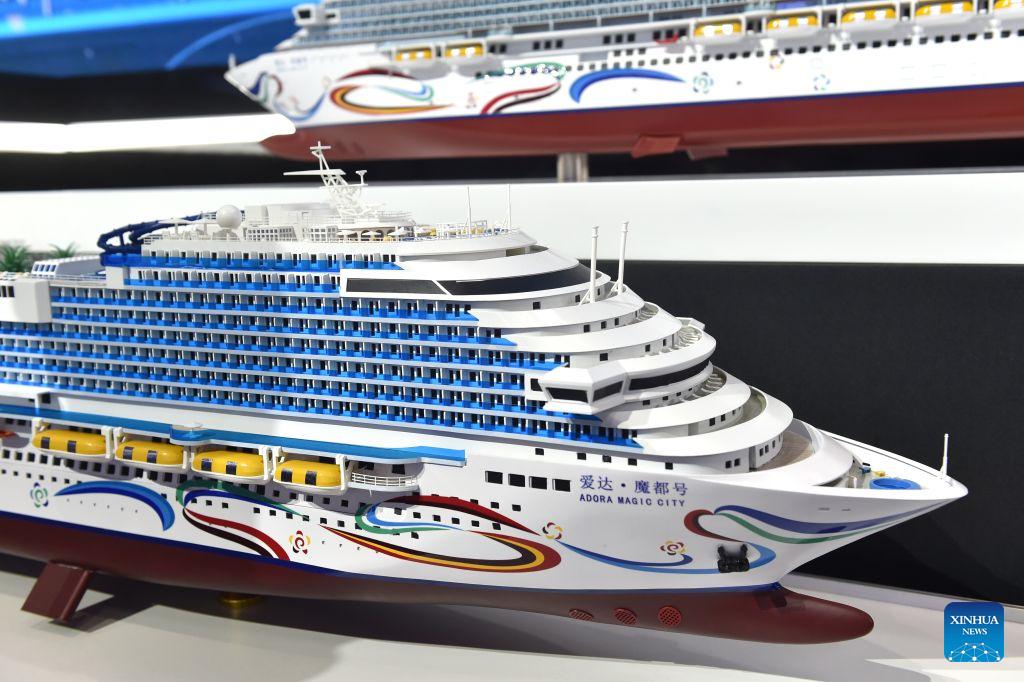
The 4th China International Supply Chain Expo (CISCE) in Beijing is proving to be a high-density hub for evaluating the next decade of global logistics and mobility. By showcasing everything from the CR450 bullet train models to the Adora Magic City cruise ship, the event serves as an essential barometer for the technical specifications and operational standards that will define the transportation sector. For industry analysts and supply chain managers, this isn't just a product exhibition; it is a live-action simulation of the future of high-speed, high-efficiency connectivity.
The focus on the CR450 bullet train, for instance, represents a significant leap in the technical parameters of rail transport. Increasing operational speeds requires a total overhaul of the supporting supply chain, from high-tensile material manufacturing to precision automated signaling systems. When we discuss such advancements, we are looking at a potential reduction in transit cycles of 15% to 20% compared to current models. This improvement in velocity has a direct impact on logistics throughput, allowing for higher density in passenger and freight movement. For enterprises, integrating these infrastructure capabilities into their regional distribution strategy is essential to achieving superior efficiency and lower per-unit transportation costs.
The expo also underscores the broader push toward "smart" mobility. The convergence of AI, digital twins, and advanced robotics—as seen in the models for the Lane Xang electric multiple unit (EMU) and various specialized vehicle platforms—is creating a more resilient and adaptable logistics network. As noted in comprehensive reporting from People's Daily, the integration of these technologies into the supply chain is critical for navigating the complexities of global trade. By aligning with these standardized, high-tech platforms, global partners can achieve better interoperability, reducing the variance in their regional operations and enhancing the reliability of their cross-border shipping lanes.
Ultimately, the 4th CISCE highlights that the evolution of transportation is moving toward a model defined by extreme precision and system-wide integration. Whether it is maritime luxury logistics or high-speed overland rail, the emphasis is on maximizing utility while minimizing the carbon footprint and operational latency. For firms looking to optimize their market strategy, the key lies in understanding how these transportation nodes will evolve over the next five years. Engaging with these standardized frameworks is not just a strategic recommendation—it is a baseline operational requirement to remain competitive in a landscape where speed, efficiency, and data-driven reliability are the primary currencies of success.
News source: https://peoplesdaily.pdnews.cn/china/er/30052474422
Put a Pure-I module on your optical bench.
Engineering teams ship vision-enabled products 4× faster with a single SDK across VIS, NIR, SWIR, and MWIR.